

Insights
Insights

Alternative Investments in Emerging Markets: Unlocking Opportunities Beyond Traditional Portfolios
Most investors think about emerging markets the wrong way.
They allocate to a label.
Emerging Markets.
As if dozens of countries, industries, regulatory systems, and opportunity sets can be reduced to a single asset class.
The most compelling opportunities are rarely found in broad indices. They're found in productive farmland, growing private businesses, underserved credit markets, and underfollowed sectors where local expertise creates an edge.
In our latest article, we explore why emerging markets should be evaluated one opportunity at a time and how sophisticated investors identify opportunities where upside meaningfully outweighs downside.
If you're rethinking diversification beyond traditional portfolios, this perspective is worth exploring.

Your Leads Are Slipping Away Every Day — Here's How Mastermail.ai Helps Smart Businesses Stop the Leak
Mastermail.ai is an AI-powered email marketing and automation platform built to simplify customer engagement and accelerate growth. From contact management and audience segmentation to automated email campaigns, sales pipeline tracking, and workflow automation, everything is managed from one intuitive dashboard.
Powered by AI, Mastermail.ai helps organizations and companies create personalized campaigns, automate outreach, gain actionable insights, and build stronger customer relationships at scale. By combining marketing automation, analytics, and customer engagement tools in a single platform, Mastermail.ai enables teams to convert more prospects, increase retention, and maximize campaign performance.

Why Family Offices Are Increasing Their Allocation to Alternative Assets
The question isn't whether alternatives belong in a portfolio anymore, it's how much, why, and where. Here's what's driving the shift toward private markets and real assets.
Public markets have become more interconnected. Inflation remains persistent. Traditional diversification may no longer offer the resilience it once did.
So where are sophisticated investors looking next?
Family offices around the world are increasing their allocation to alternative assets, from private markets and direct investments to productive farmland and other real assets that can help preserve wealth across generations.
In our latest article, we explore the forces behind this shift, why real assets are earning a permanent place in portfolios, and what long-term investors should consider before allocating capital.
If you're thinking about portfolio resilience beyond traditional markets, this is worth the read.
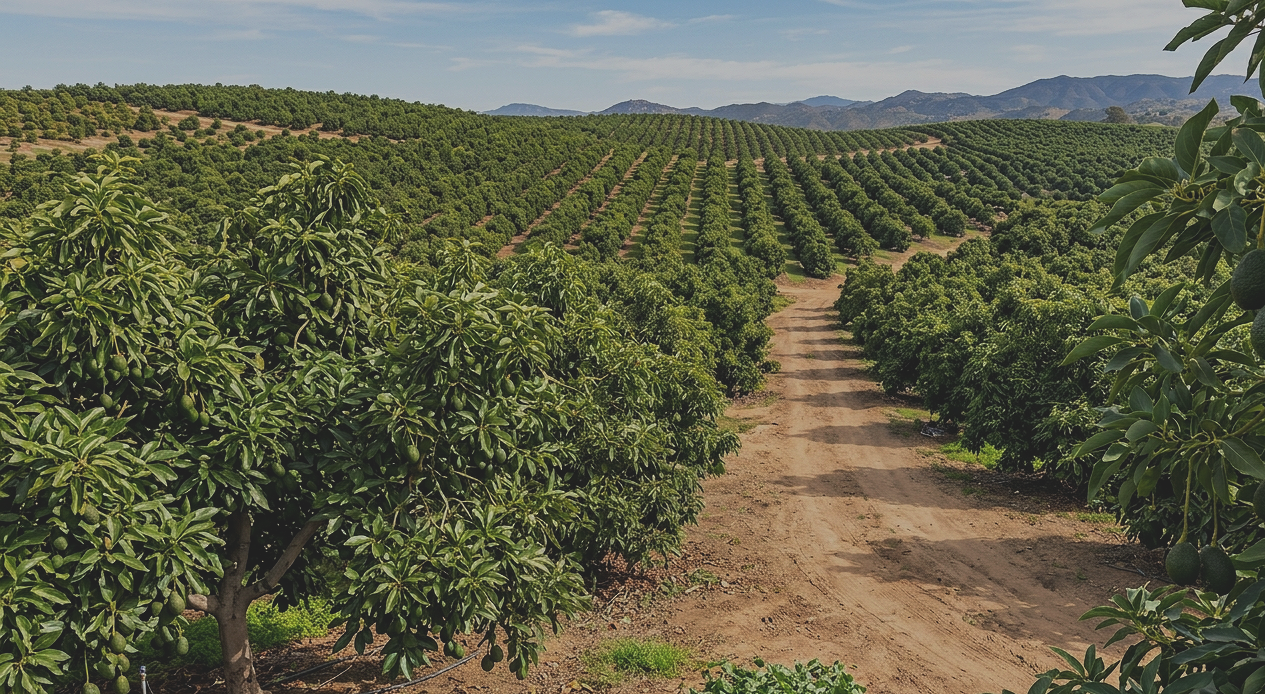
Why Global Investors Are Turning to Farmland for Resilient, Long-Term Performance
Global investors are moving beyond conventional assets and into farmland, drawn by its ability to deliver stable income, inflation protection, and long-term value.
Backed by strong historical performance and underpinned by global food demand, farmland operates on fundamentals largely independent of financial market cycles.
Yet its true strength lies deeper in how it combines performance, diversification, and sustainability into a single, real asset.

UHNWI Overexposed to Domestic Markets
According to KKR, many ultra-high-net-worth individuals have over concentrated their investments in domestic markets, primarily in the U.S. or Europe. We believe exposure to farmland Investments in emerging markets can mitigate regional risks and provide a more balanced portfolio.
In today's shifting global economy, Ultra High Net Worth Investors (UHNWIs) find themselves uniquely positioned to capitalize on emerging opportunities across both public and private markets. Their patient capital allows them to embrace complexity and illiquidity, setting them apart in an increasingly intricate investment environment.
However, the road ahead isn't without challenges. Anticipated lower returns and heightened volatility demand more flexible asset allocation strategies. UHNWIs must adapt their portfolios to maintain attractive risk-adjusted returns amid changing market conditions.