

Insights
Insights

Embracing Sustainable Agriculture: Asymmetrica Investments' Innovative Approach to Impact Investing
In today's world, faced with climate change, escalating population, and economic volatility, sustainable agriculture offers investors the chance to harmonize their financial objectives with favorable environmental and societal impacts. Asymmetrica Investments, an investment firm with roots in Mexico and Switzerland, leads this initiative by targeting undervalued fertile, arable land in Mexico and pinpointing asymmetric investment opportunities in high-margin agricultural assets.
The Case For Investing In Agriculture (Macquarie Agricultural Funds Management)
Rising agricultural commodity prices have highlighted growing structural imbalances between global supply and demand. Driven by population growth, emerging market consumption, and biofuel policies against the backdrop of constrained arable land, climate change, and slowing yield growth, food security has become an increasingly critical global issue. In this environment, agricultural assets offer investors inflation protection, diversification, and resilient long-term return potential through direct exposure to land and farming operations.
Mega Trends (Black Rock)
This research study explores the key megatrends driving structural change in the global economy and examines how they influence our investment thinking. By understanding how these trends interact and evolve over time, we aim to identify durable themes that may shape growth, disruption, and resilience across sectors, regions, and asset classes.
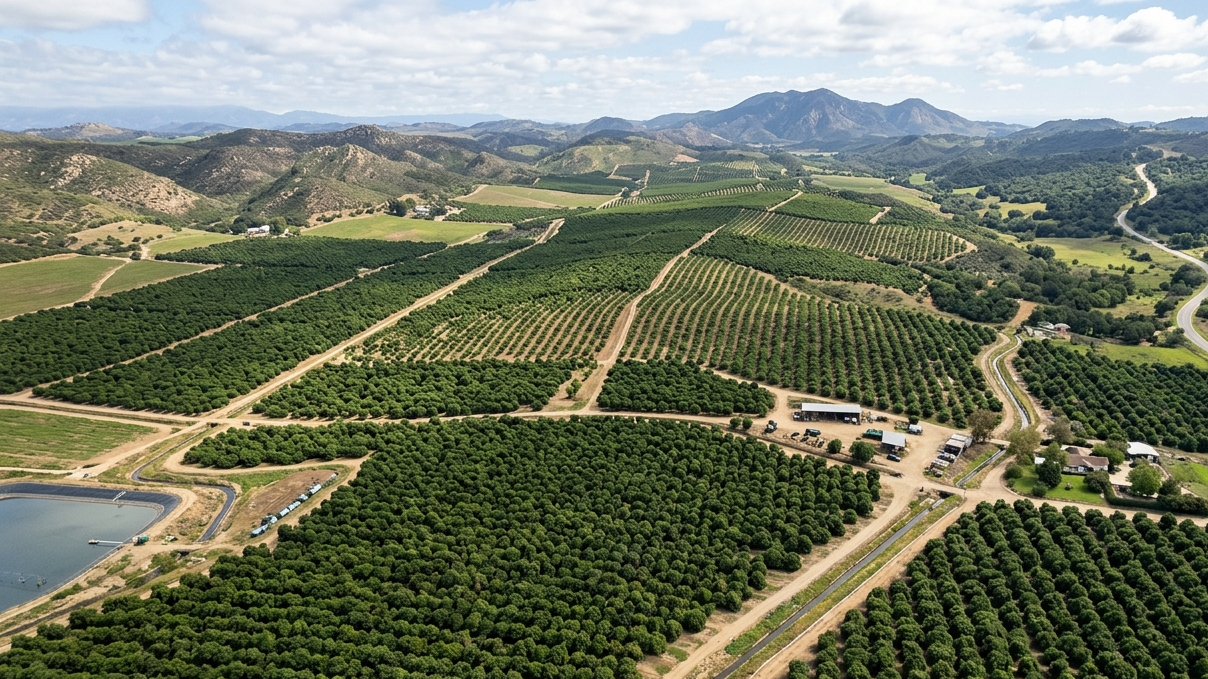
Benefits Of Farmland Investments (Hancock Agricultural Investment Group)
This Research Note, developed by Hancock Economic Research and the Hancock Agricultural Investment Group, evaluates the historical performance of farmland relative to traditional financial and equity real estate investments for the 1971 to 2010 period.

Asymmetrica’s Risks Management
This report examines how long-term structural shifts in the global economy megatrends shape our investment thinking and risk assessment. By analyzing key forces such as technological change, demographics, climate pressures, and shifting economic power, the report provides a framework for understanding their implications for real asset portfolios and long-term capital allocation.