
The Case For Investing In Agriculture (Macquarie Agricultural Funds Management)
Rising agricultural commodity prices have highlighted growing structural imbalances between global supply and demand. Driven by population growth, emerging market consumption, and biofuel policies against the backdrop of constrained arable land, climate change, and slowing yield growth, food security has become an increasingly critical global issue. In this environment, agricultural assets offer investors inflation protection, diversification, and resilient long-term return potential through direct exposure to land and farming operations.
Speak with our investment team to gain further insight into our investment strategy, cross-border structuring approach, and portfolio allocation framework.
Explore more Insights

The math behind private equity has changed: cheap debt and rising valuations used to do most of the work, now a typical deal needs more than double the earnings growth to hit the same return. This piece walks through what the academic evidence actually says about outperformance, why manager dispersion matters more than the asset class itself, and where real, productive assets fit into the picture instead.

Private markets now account for a growing share of the real economy, but the "illiquidity premium" investors are promised isn't automatic, it has to be earned through selection. This piece walks through the five structural differences from public markets, what fees and vintage year actually cost an allocator, and how secondaries have become a real, if imperfect, way to manage liquidity.

Farmland and commercial real estate are often grouped together as "real assets," but their return drivers, and their recent performance, tell very different stories. Here's why that distinction matters for portfolio construction.

Farmland occupies a rare slot in a portfolio: income like a bond, long run appreciation, and a history of moving independent of stocks and bonds. This piece walks through the return profile, the inflation hedge case, and 2024's first negative year on record, along with the liquidity and crop concentration risks that come with it.
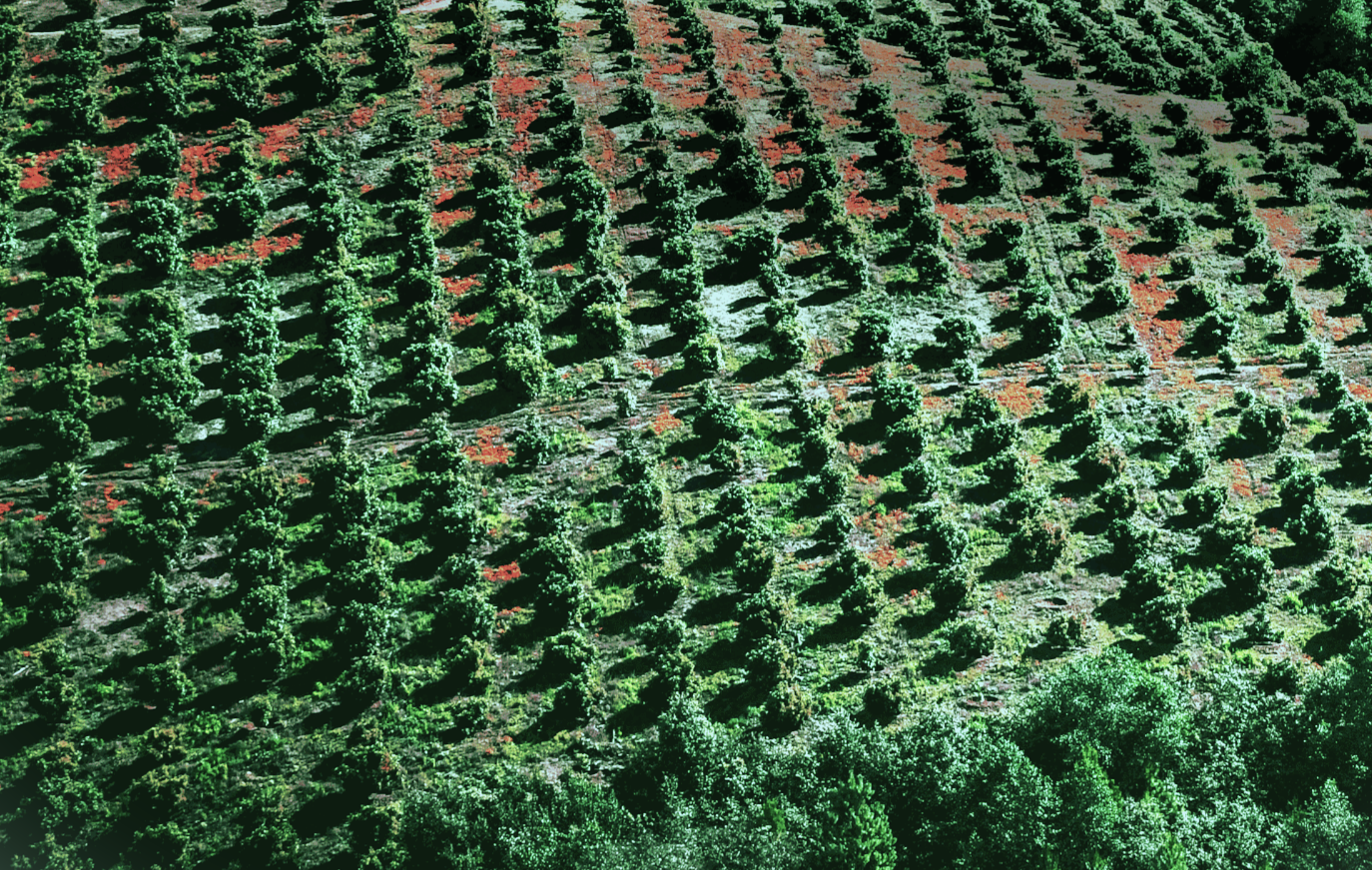
Why are leading institutional investors increasing their exposure to farmland? Explore the long-term investment case behind this essential real asset, from inflation resilience and portfolio diversification to the structural trends shaping its growing role in institutional portfolios.

Family offices now hold close to 40% of their portfolios in alternatives, rivaling stocks and bonds combined. But the real question isn't whether to hold them, it's what job each one is doing: diversification, inflation protection, income, or asymmetric upside. We break down the evidence for each, including where the headline numbers overstate the case, and what real discipline looks like in practice.

Alternative investments have become a core component of modern portfolio construction in 2026. From private equity and private credit to real assets and digital investments, investors are looking beyond traditional stocks and bonds to improve diversification, access private-market growth, and build long-term resilience. Learn what is driving this shift, the opportunities it creates, and the key considerations before investing.

Concentration can build extraordinary wealth but it can also expose investors to significant risk. This case study explores how a successful entrepreneur diversified a concentrated portfolio through alternative investments, including private markets, productive farmland, and real assets, creating multiple independent drivers of return while strengthening long-term portfolio resilience.