

Insights
Insights

Why Family Offices Are Increasing Their Allocation to Alternative Assets
The question isn't whether alternatives belong in a portfolio anymore, it's how much, why, and where. Here's what's driving the shift toward private markets and real assets.
Public markets have become more interconnected. Inflation remains persistent. Traditional diversification may no longer offer the resilience it once did.
So where are sophisticated investors looking next?
Family offices around the world are increasing their allocation to alternative assets, from private markets and direct investments to productive farmland and other real assets that can help preserve wealth across generations.
In our latest article, we explore the forces behind this shift, why real assets are earning a permanent place in portfolios, and what long-term investors should consider before allocating capital.
If you're thinking about portfolio resilience beyond traditional markets, this is worth the read.
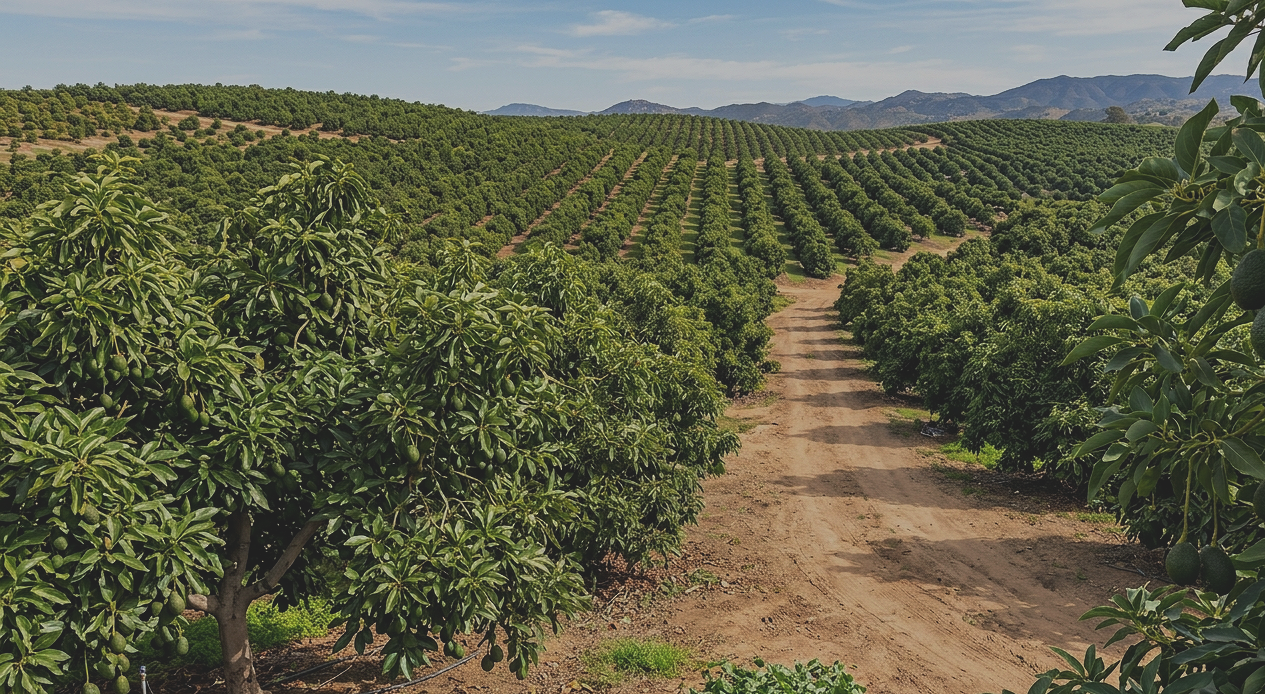
Why Global Investors Are Turning to Farmland for Resilient, Long-Term Performance
Global investors are moving beyond conventional assets and into farmland, drawn by its ability to deliver stable income, inflation protection, and long-term value.
Backed by strong historical performance and underpinned by global food demand, farmland operates on fundamentals largely independent of financial market cycles.
Yet its true strength lies deeper in how it combines performance, diversification, and sustainability into a single, real asset.

UHNWI Overexposed to Domestic Markets
According to KKR, many ultra-high-net-worth individuals have over concentrated their investments in domestic markets, primarily in the U.S. or Europe. We believe exposure to farmland Investments in emerging markets can mitigate regional risks and provide a more balanced portfolio.
In today's shifting global economy, Ultra High Net Worth Investors (UHNWIs) find themselves uniquely positioned to capitalize on emerging opportunities across both public and private markets. Their patient capital allows them to embrace complexity and illiquidity, setting them apart in an increasingly intricate investment environment.
However, the road ahead isn't without challenges. Anticipated lower returns and heightened volatility demand more flexible asset allocation strategies. UHNWIs must adapt their portfolios to maintain attractive risk-adjusted returns amid changing market conditions.

Embracing Sustainable Agriculture: Asymmetrica Investments' Innovative Approach to Impact Investing
In today's world, faced with climate change, escalating population, and economic volatility, sustainable agriculture offers investors the chance to harmonize their financial objectives with favorable environmental and societal impacts. Asymmetrica Investments, an investment firm with roots in Mexico and Switzerland, leads this initiative by targeting undervalued fertile, arable land in Mexico and pinpointing asymmetric investment opportunities in high-margin agricultural assets.
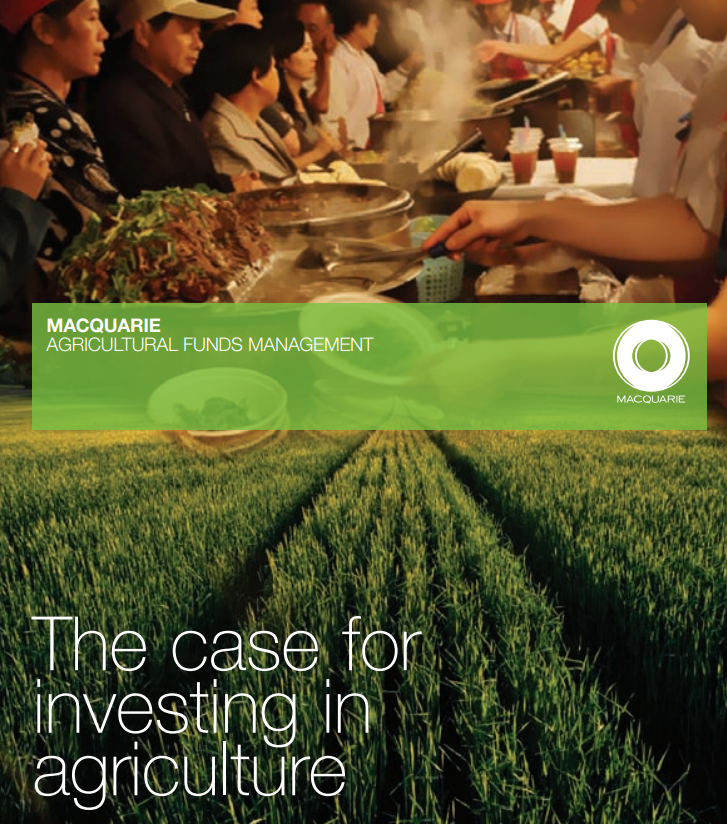
The Case For Investing In Agriculture (Macquarie Agricultural Funds Management)
Rising agricultural commodity prices have highlighted growing structural imbalances between global supply and demand. Driven by population growth, emerging market consumption, and biofuel policies against the backdrop of constrained arable land, climate change, and slowing yield growth, food security has become an increasingly critical global issue. In this environment, agricultural assets offer investors inflation protection, diversification, and resilient long-term return potential through direct exposure to land and farming operations.